
Crypts&Secret Signs of Kreuzberg
There has been one constant in human life in all times and eras — that constant is death. However, even death does not divide us from the dead as they leave signs and sigils behind. These signs are religious symbols which will help us understand the consciousness of those who passed away and understand how they lived and whether they live on inside us.
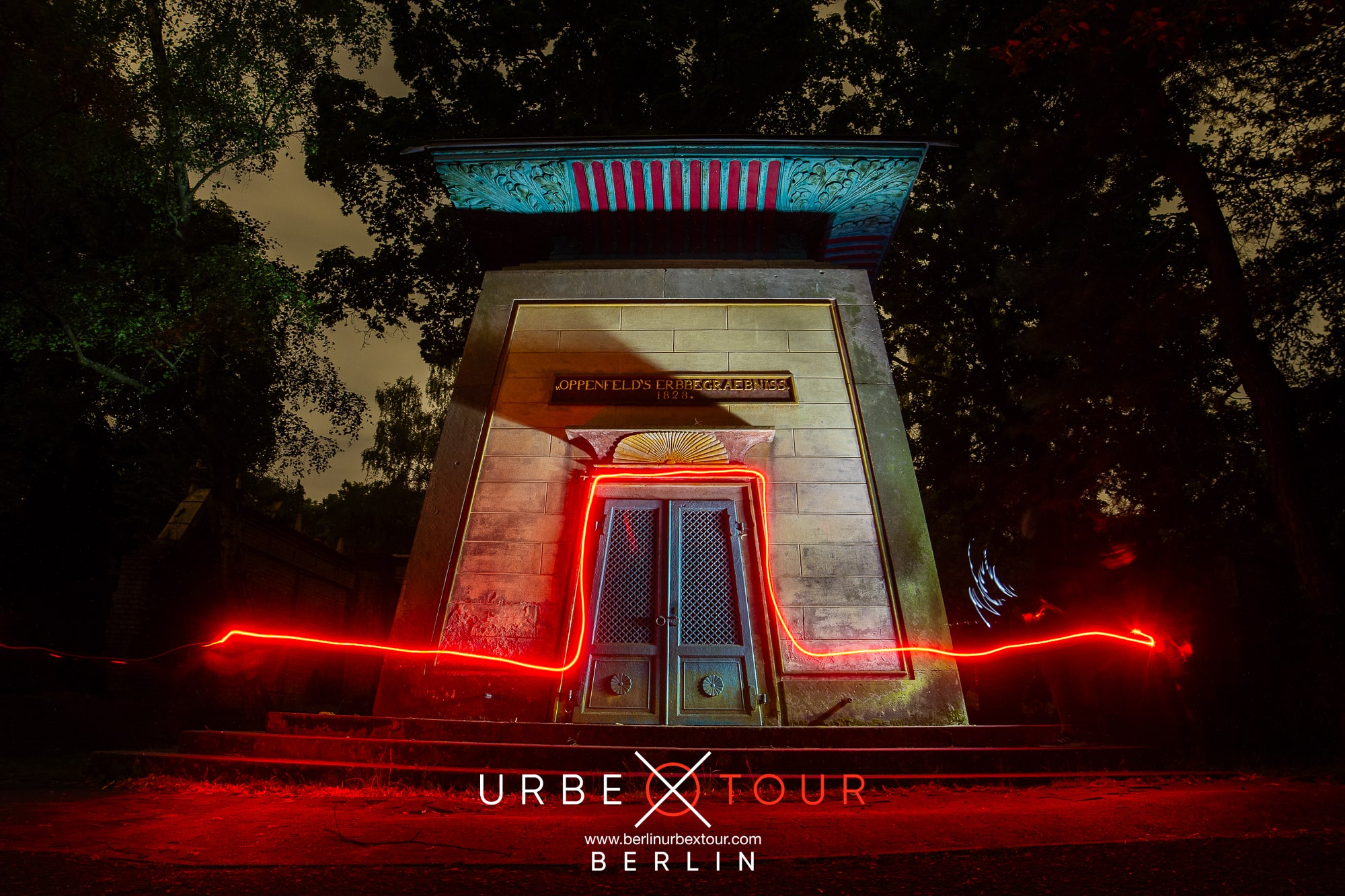
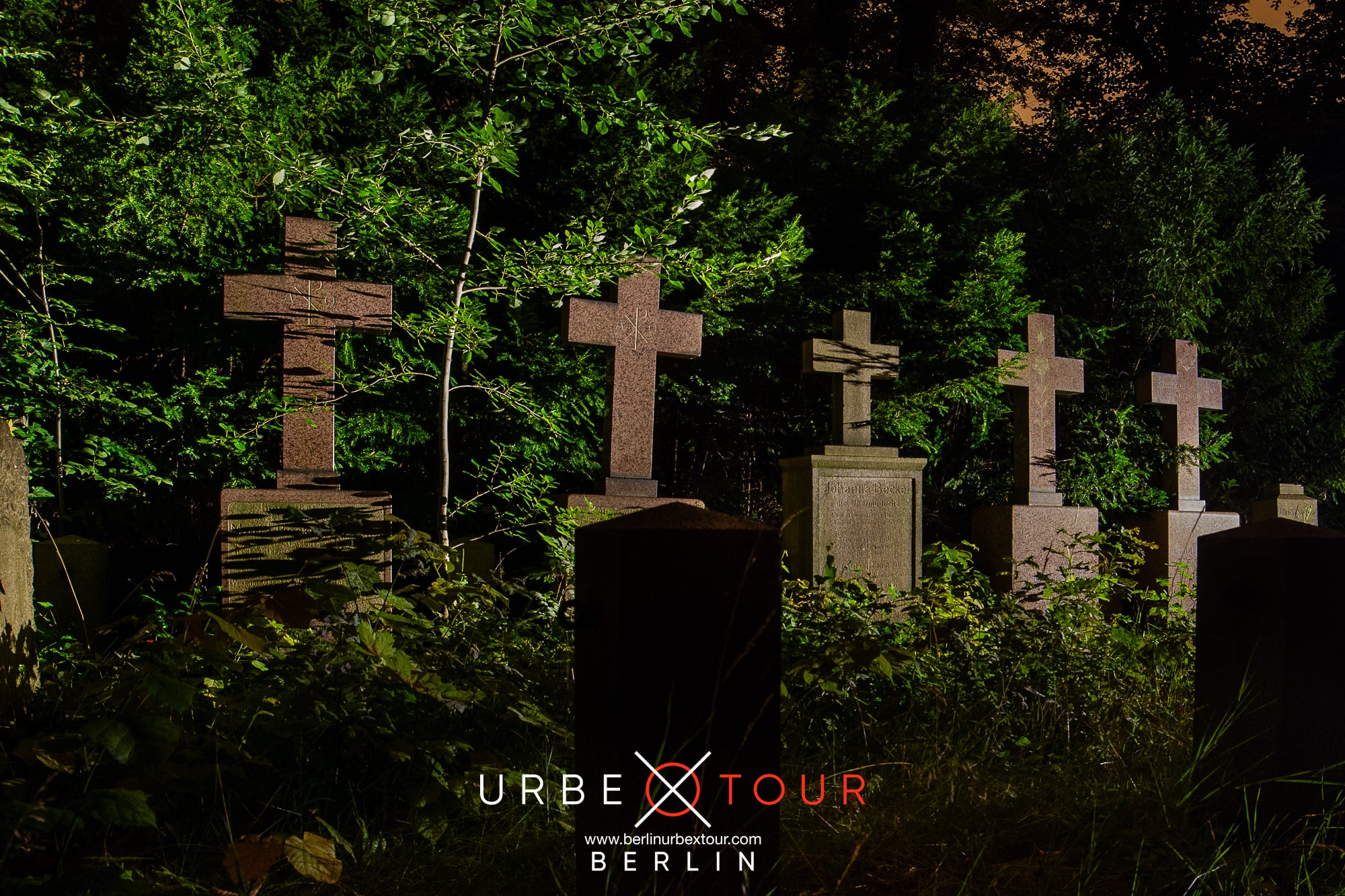
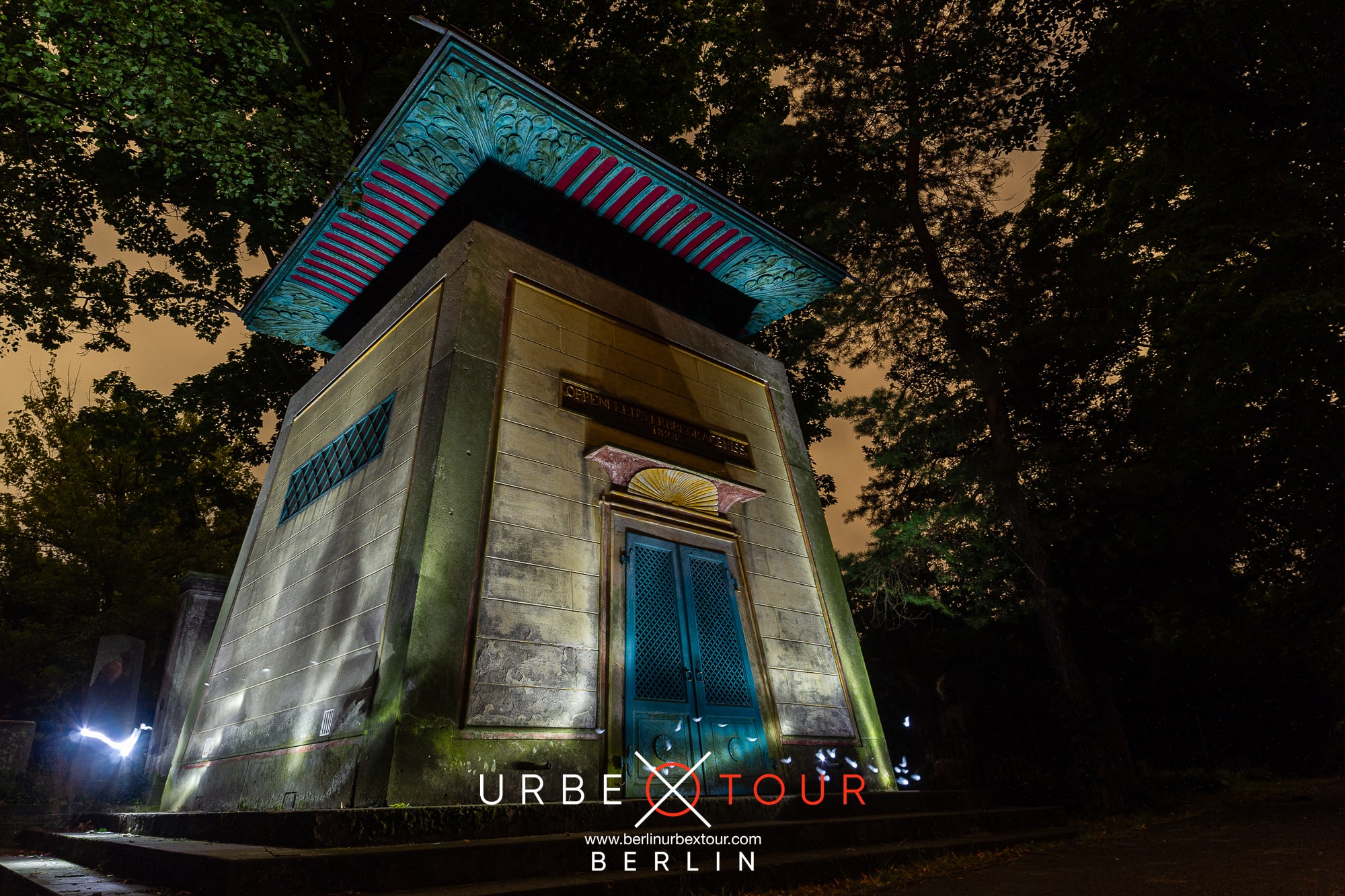
We will walk past elegantly decorated crypts, overgrown with ivy and damaged by wars and vandals in a search for occult symbols that connect us to the spirit of Berlin in different epochs. We will see the true Kreuzberg!
Price – 24€
Duration – 2,5 hours
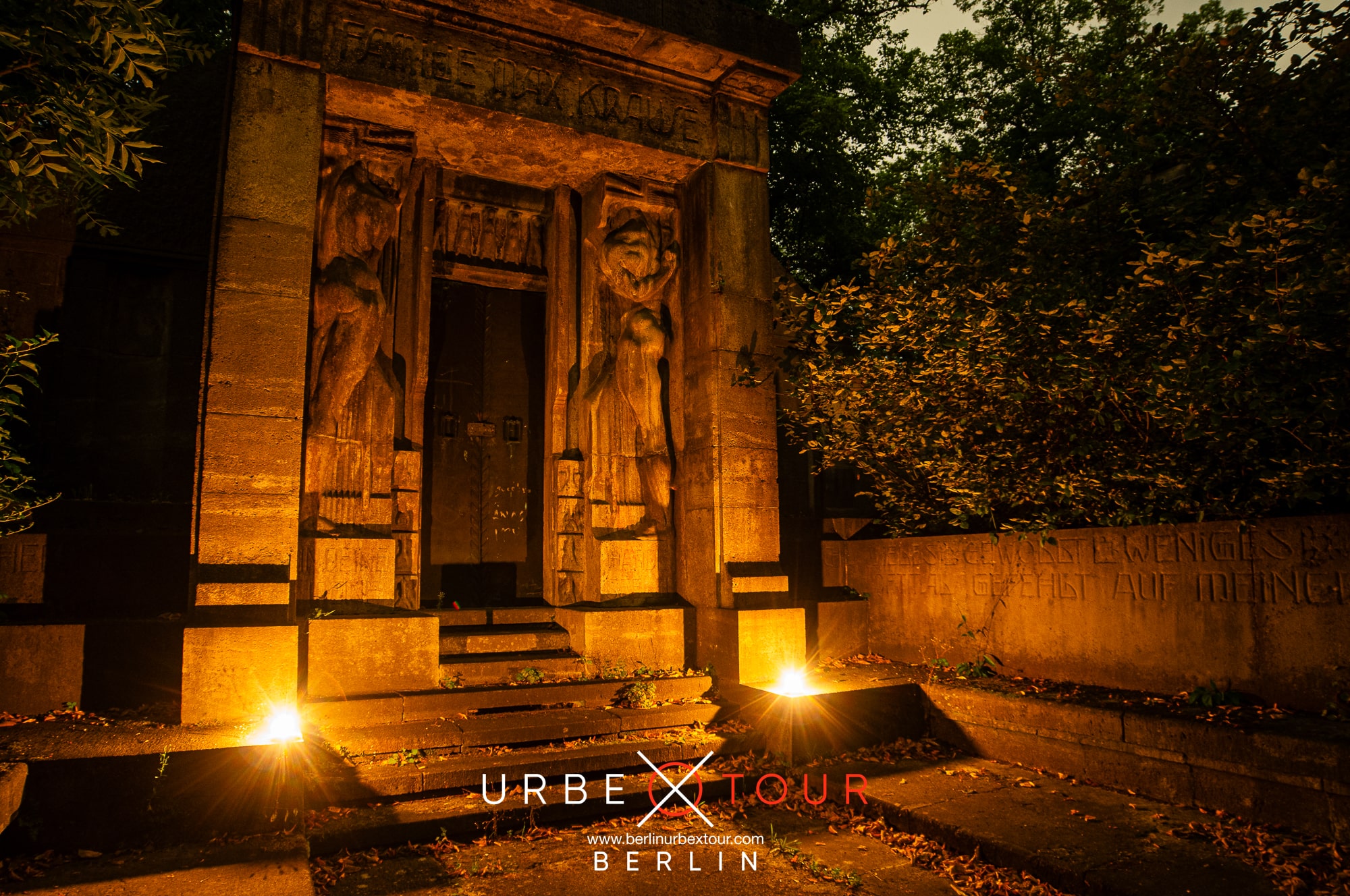
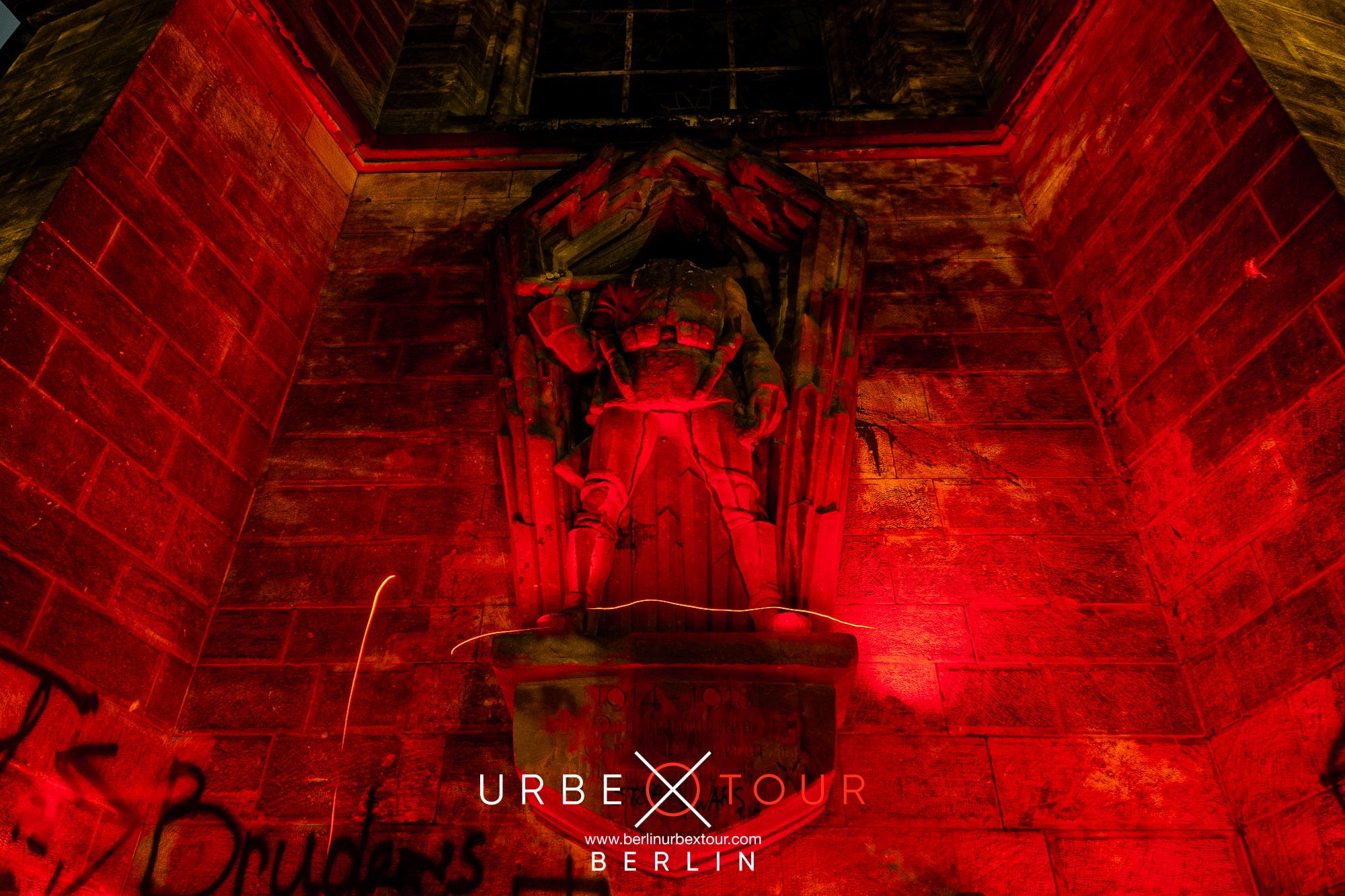
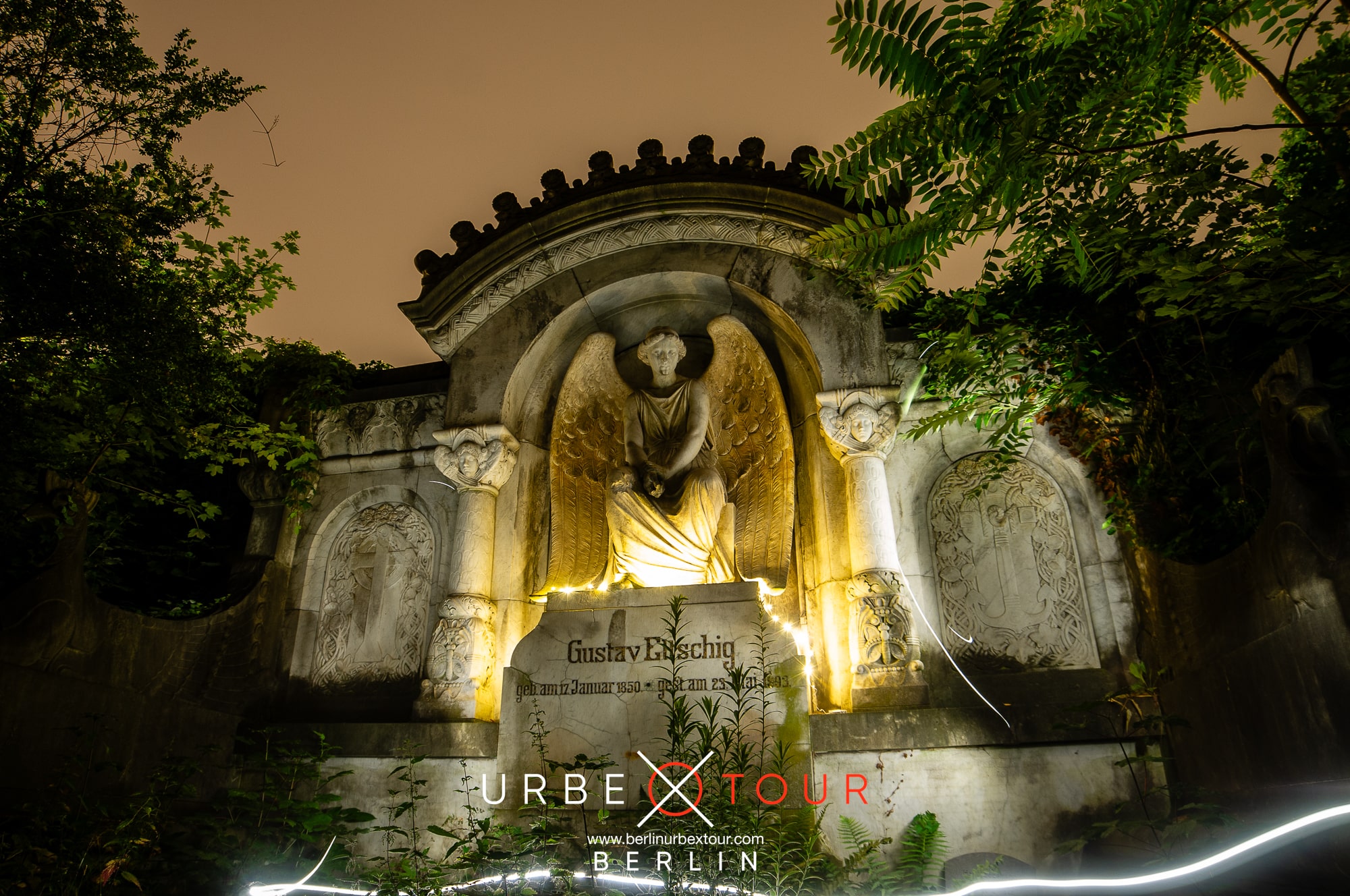
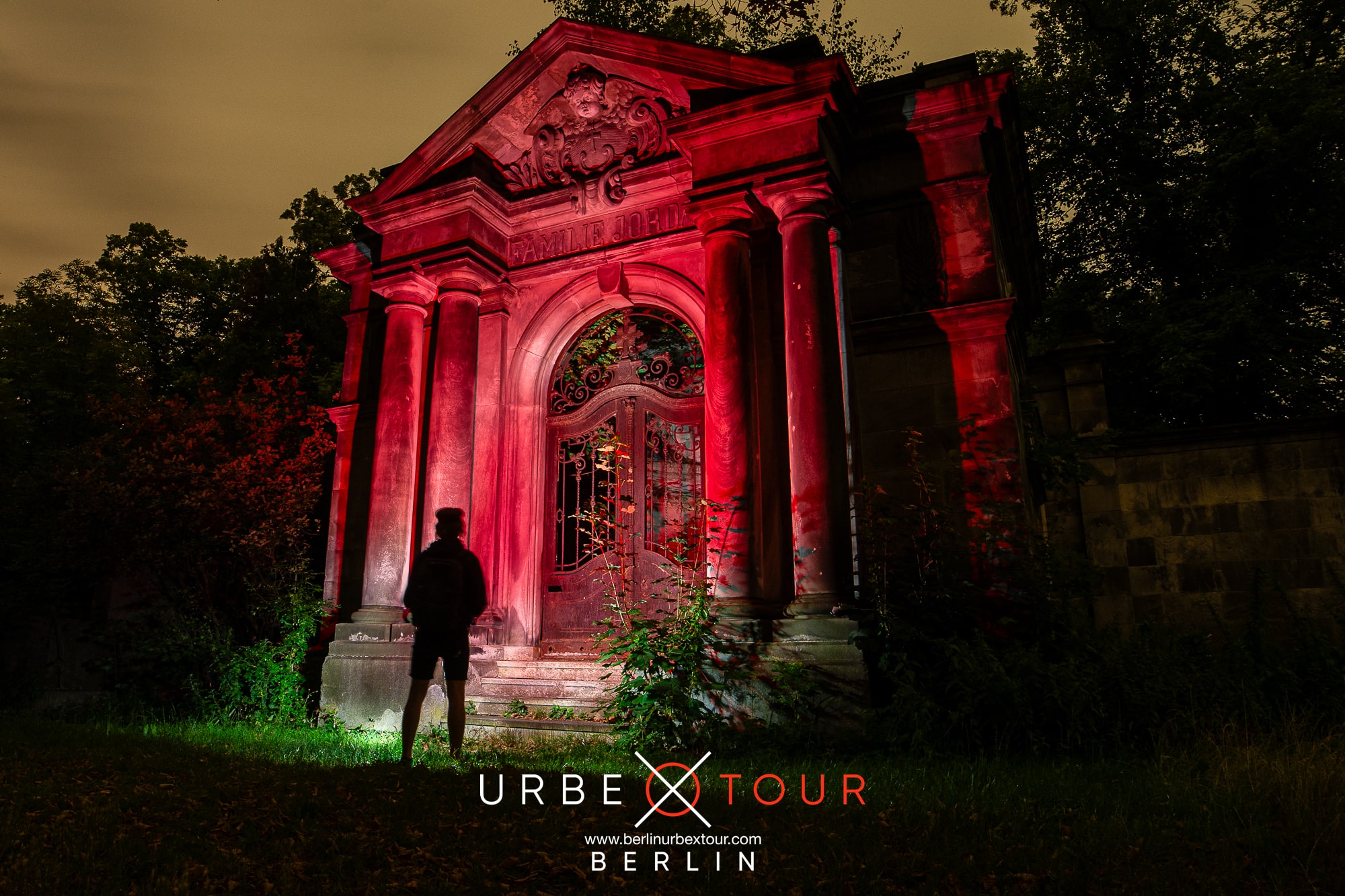
What to expect?
- Encounter occult knowledge and learn to recognize Masonic symbols
- Walk through the greenery among the faultless aesthetics of bygone eras
- Find out where Kreuzberg has its own Ephesus and why some equate Berlin with Egypt
- See the true Kreuzberg, warts and all, aside from the usual tourist routes
- Find out about the mass disappearance of graves
- As a bonus to our programme, a visit to Berlin’s largest mosque
Reviews you can trust
Thomas H. Harpenau
22 May 2023 р ·
⭐⭐⭐⭐⭐
I had the most incredible experience on the guided tour to Kreuzberg Cemetery led by Jegor. From the moment we met, his passion for history and mysticism was evident, and it set the tone for an unforgettable journey.
Jegor's knowledge of the cemetery's rich history and symbolism was truly impressive. He skillfully decoded the intricate designs of tombstones and mausoleums, revealing the fascinating stories behind each one. I felt like I was transported to another time, exploring the past through Jegor's captivating storytelling.
Ivan Ladan
10 June 2023 гр
What an exhilarating adventure! The guided tour to the cemetery with Urbex Tours was an absolute thrill from start to finish. I had never experienced anything quite like this before, and it exceeded all my expectations.
Grim Reaper
16 July 2023 г.
⭐⭐⭐⭐⭐
The mystical symbol tour to the graveyard was a truly enchanting experience! The guide expertly led us through the cemetery, revealing the hidden meanings behind ancient symbols adorning the tombstones. It felt like stepping into a world of mystery and spirituality. I gained a deeper appreciation for the symbolism and mysticism surrounding death. The tour left me with a sense of wonder and a newfound understanding of the interconnectedness of life and eternity. Highly recommended for those seeking a unique and thought-provoking journey!
F.A.Q.
– wear comfortable shoes in which you can walk confidently for 2.5 hours
– in case of sunny weather, wear a hat
Meeting point
At the exit from the station U-Bahnhof Südstern
On the banch under the trees.
The history of the Luisenstädtische Cemetery dates back to the 18th century when it was established in 1810. It is named after Queen Luise of Prussia, the consort of King Friedrich Wilhelm III. The cemetery covers an area of approximately 1.6 hectares and originally served as the final resting place for the residents of the independent city of Luisenstadt, which later became part of Berlin.
What sets the Luisenstädtische Cemetery apart is its remarkable collection of historic graves and monuments. Many prominent figures from Berlin’s history and culture found their final resting place here, including writers, scientists, politicians, and artists. Several of these graves are noteworthy for their intricate design and historical significance.
One particularly famous monument in the cemetery is the grave of the poet Heinrich von Kleist and his friend Henriette Vogel, who both died in a tragic suicide pact in 1811. Their grave attracts literature enthusiasts and serves as a place of commemoration for this influential German writer.
The Luisenstädtische Cemetery has undergone various expansions and renovations over the years to ensure its preservation. Nonetheless, it still exudes a unique atmosphere of tranquility and reverence.